Protecting Hardwoods After Expert Hardwood Flooring Installation
Atlanta Remodeling by Sam G • August 19, 2026
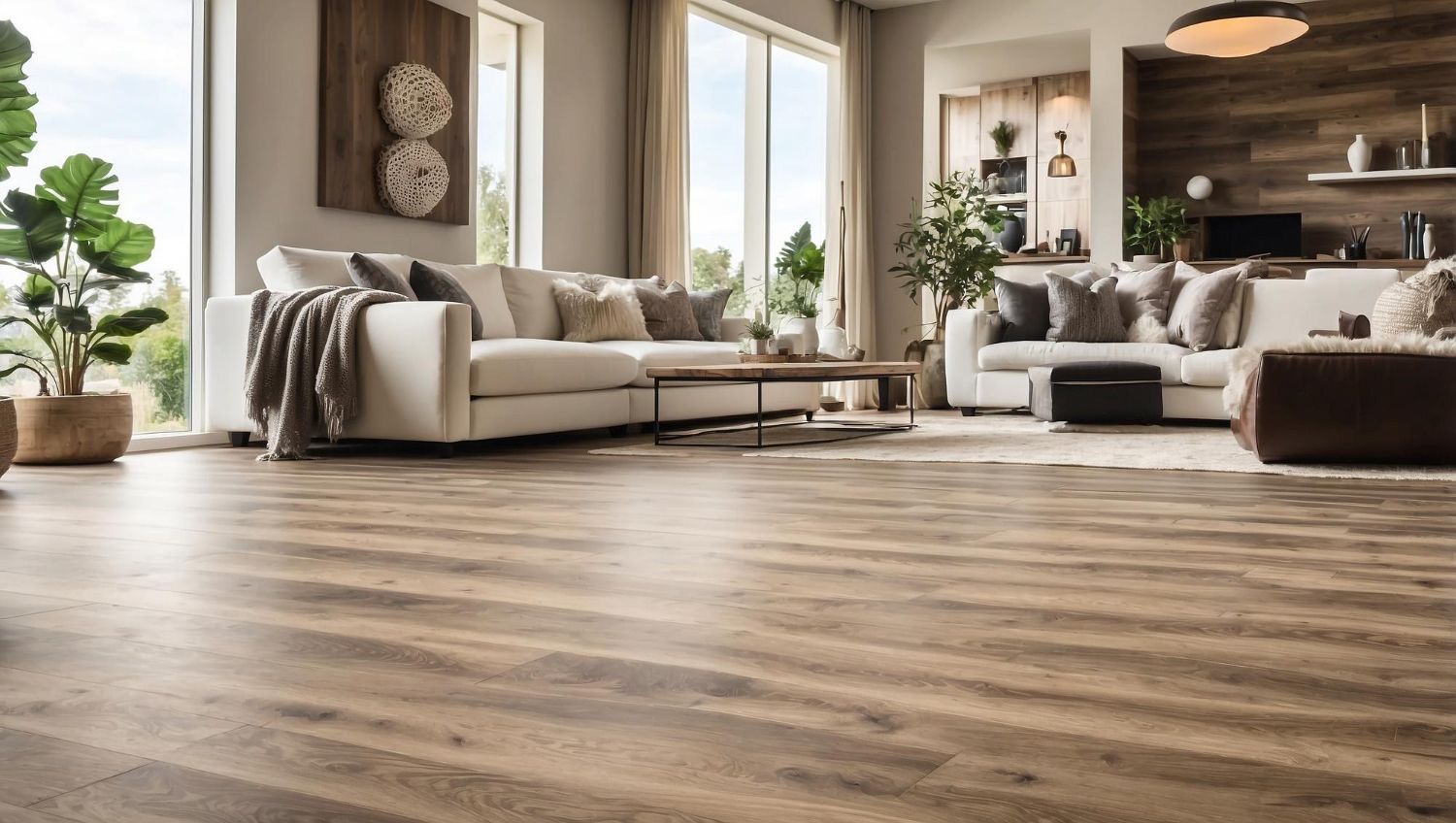
Nothing upgrades the visual appeal of a living space quite like fresh timber planks. After our crews pack up their tools in Alpharetta, many homeowners are unsure how to properly care for their new surfaces. Atlanta Remodeling by Sam G provides precise finishing work that looks incredible on day one. Preserving that factory sheen requires a strict routine that protects the wood grain from daily wear and tear.
Wood is an organic material that continuously reacts to the ambient moisture and foot traffic in your house. Dragging heavy furniture or using the wrong chemical cleaners will permanently ruin the clear coat. We built this maintenance guide to help you preserve your investment after an expert hardwood flooring installation. Following these specific habits ensures your floors remain vibrant and structurally sound for decades.
Maintenance Protocol:
- Immediate Aftercare Protocols
- Daily and Weekly Cleaning Habits
- Common Upkeep Mistakes That Destroy Wood Finishes
- How do you safely remove scuff marks from newly installed hardwood flooring without damaging the finish?
- Extending the Life of Your Planks
Immediate Aftercare Protocols
Right after the final coat of polyurethane cures, the floor is highly vulnerable to gouges and deep scratches. Taking a few precautions before moving your life back into the room is absolutely essential.
- Apply felt furniture pads: Stick heavy duty felt pads to the bottom of every chair, table, and sofa leg before placing them back on the raw wood.
- Wait to lay area rugs: Do not place heavy area rugs on the floor for at least two weeks, as the underlying clear coat needs time to fully outgas and harden through exposure to the air.
- Regulate room humidity: Keep your indoor humidity levels between thirty and fifty percent to prevent the new wooden planks from swelling or shrinking aggressively.
Daily and Weekly Cleaning Habits
Abrasive dirt and tiny rocks tracked in from the driveway act like coarse sandpaper against your new floors. Removing this grit frequently is the easiest way to keep the finish looking like glass.
- Sweep with soft bristles: Use a fine bristle broom or a dry microfiber dust mop daily to pick up loose pet hair and abrasive sand.
- Vacuum without a beater bar: Run a canister vacuum over the planks weekly, but ensure the rotating brush roll is turned off so the stiff bristles do not whip the wood.
- Clean spills instantly: Wipe up dropped ice cubes or spilled drinks immediately with a dry towel to stop the liquid from seeping into the micro seams between the boards.
Common Upkeep Mistakes That Destroy Wood Finishes
Property owners often accidentally ruin their expensive flooring by using harsh modern cleaning products. Knowing what chemicals to avoid keeps your planks safe from peeling and discoloration.
- Using steam mops: Never use a steam mop on real wood because the machine forces pressurized boiling water directly into the grain, causing the boards to buckle and rot instantly.
- Spraying oil based polishes: Avoid generic grocery store wood polishes that contain heavy waxes or silicone, as these products leave a cloudy, sticky residue that attracts dark dirt.
- Mopping with heavy water: Do not slop a soaking wet string mop across the room because standing water will penetrate the porous joints and turn the edges of the wood black.
► The single most important maintenance fact is that wearing high heels on a hardwood floor focuses your entire body weight onto a tiny point, which will instantly punch deep, permanent dents into the timber.
How do you safely remove scuff marks from newly installed hardwood flooring without damaging the finish?
When a rubber shoe sole leaves a dark scuff mark on your new floor, do not scrub it with a harsh abrasive sponge. Instead, take a clean, dry tennis ball and rub it firmly back and forth over the black mark. The soft felt of the tennis ball safely grips the rubber residue and pulls it off the clear coat without scratching the underlying polyurethane. For stubborn marks, lightly dampen a microfiber cloth with a specialized, pH neutral wood floor cleaner and wipe the area gently until the scuff disappears.
Extending the Life of Your Planks
Safeguarding your timber investments demands proper moisture control, soft cleaning tools, and a strict rejection of harsh chemical waxes. By keeping the grit off the surface and using felt furniture pads, you protect the historical beauty of your home. Call our carpentry team today to discuss your next custom flooring project and get a detailed layout plan.
Share This Blog