Quartz vs. Granite: Atlanta’s Kitchen Countertop Choices for Holiday Hosting
Atlanta Remodeling by Sam G • November 4, 2026
Hosting family for the holidays requires a cooking space that can handle heavy traffic, hot roasting pans, and constant beverage spills. Atlanta Remodeling by Sam G helps homeowners select the perfect surface materials to withstand this intense seasonal usage. Upgrading your counters before the guests arrive protects your financial investment and provides a highly durable workspace for heavy meal preparation.
A poorly planned material choice results in stained counters and scorched surfaces after a single holiday dinner. Understanding the exact mechanical properties of natural and engineered stone allows you to make an informed decision for your home.
What we explore in this material breakdown:
- The structural makeup of natural granite slabs
- The engineering behind modern quartz surfaces
- Project timelines and construction phases
- Frequently Asked Questions
The Structural Makeup Of Natural Granite
Granite is a completely natural igneous rock mined directly from the earth and cut into thick, heavy slabs. This material offers incredible heat resistance, allowing you to place hot roasting pans directly on the surface without causing immediate thermal shock. Because it is a highly porous natural stone, it requires a chemical sealant applied every year to prevent dark stains from spilled red wine or holiday gravy. Property owners in Alpharetta appreciate granite for its entirely unique mineral veining patterns and rugged natural beauty.
The Engineering Behind Modern Quartz
Unlike natural slabs of stone, modern quartz counters consist of crushed rock mixed with heavy duty polymer resins. This industrial manufacturing process creates a completely nonporous surface that never requires chemical sealing. Spilling cranberry juice or cooking oils on quartz leaves zero lasting marks, making it the ultimate low maintenance option for busy families. You must use trivets for hot pots on this material because extreme heat will permanently scorch the binding resins.
Navigating Kitchen Renovations And Timelines
Homeowners planning a major holiday update often ask how long does a full kitchen renovation take. A complete overhaul involving custom cabinetry, structural wall changes, and new plumbing typically requires three to six months from the initial design phase to the final inspection. Upgrading just the countertops and backsplash usually takes three to four weeks once the stone is fabricated. We coordinate these installations alongside our indoor painting services to ensure the entire room looks perfectly refreshed before your visitors arrive.
Frequently Asked Questions
Can a cracked granite counter be repaired?
Specialized epoxy resins can fill minor surface chips, but a massive structural fracture across the slab usually requires a complete material replacement.
Does quartz fade in direct sunlight?
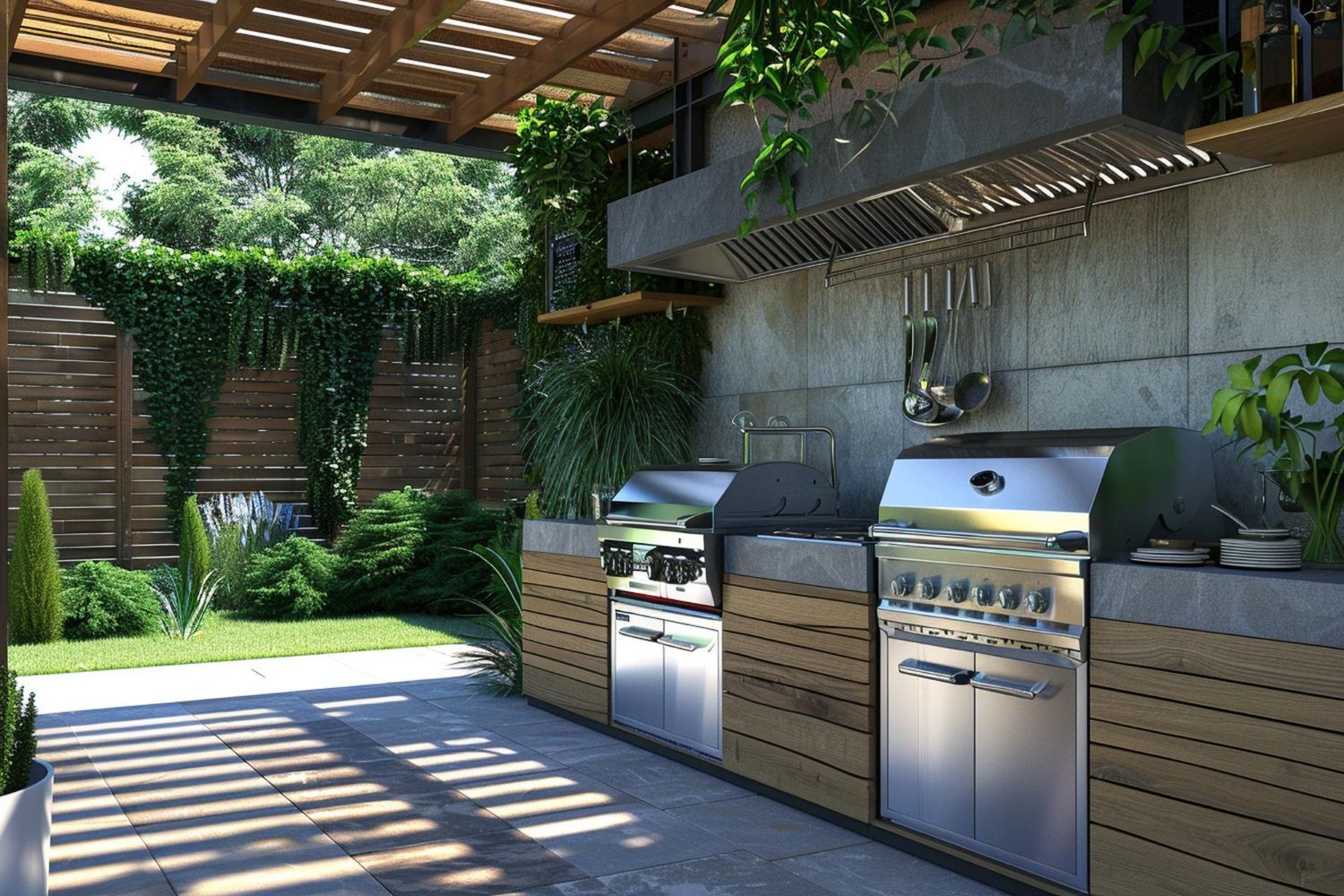
Prolonged exposure to intense ultraviolet light will gradually fade the color pigments in the polymer resin, making quartz better suited for indoor applications rather than outdoor kitchens.
Finalizing Your Kitchen Surface Strategy
Selecting the right countertop material dictates how much daily maintenance your cooking space will require. Upgrading your surfaces provides a beautiful and highly functional area for your holiday entertaining. Contact our design team today to review stone samples for your upcoming project.
Share This Blog